Love this? Save it for later!
Share the inspiration with your friends
I was standing in the frozen food aisle of a grocery store I don’t usually go to last Tuesday, holding a bag of cranberries I didn’t remember grabbing, when the smell hit me. Not a real smell, you know? A memory-smell. I was seven years old at my Aunt Carol’s kitchen table, and she was peeling an orange so close to me I could see the little oil glands pop in the light. She’d just pulled a loaf of cranberry bread from the oven, and the whole room was this cloud of citrus and warm fruit and something I can’t quite name. She’s been gone six years now, and I still can’t replicate that exact feeling. But this bread? Honestly, this bread gets me closer than anything else has.
I stood there in the aisle for a solid minute, holding those frozen cranberries like they were going to tell me a secret. I mean, I hadn’t thought about her cranberry bread in years. But suddenly I could feel the way the paper-thin slices of orange peel stuck to my little fingers, and how she’d let me lick the spatula after she poured the glaze. The memory was so sharp it almost hurt. So I bought the cranberries. And then I bought more cranberries, because I knew I was going to mess this up at least once before I got it right.
Let me tell you, the first loaf was a disaster. Too dry, not enough orange, and I forgot the salt entirely. You know that feeling when you take a bite of something and you just know the person who made it for you would have laughed at the attempt? That was me, standing over a sad, crumbly loaf, wondering if I’d ever get it right. But I kept at it, because some recipes are worth the trouble. And this one—the one I’m sharing with you today—this is the one that finally made me close my eyes and smile.
Why You’ll Love This Recipe
This cranberry orange bread is the kind of recipe that makes you look like a hero with almost no effort. I’ve tested it four times to get the moisture level just right, and I can tell you with confidence that this version works every single time. Here’s why you’re going to want to make it immediately:
- Quick & Easy: From start to finish, this bread comes together in about 70 minutes, with only 15 minutes of active prep. Perfect for a weekend morning or a last-minute hostess gift.
- Simple Ingredients: You probably have most of these in your kitchen right now. No weird extracts or hard-to-find specialty flours.
- Perfect for Holiday Mornings: This bread is a staple on my Christmas brunch table, but honestly, I make it year-round. It’s just as good in July with fresh cranberries.
- Crowd-Pleaser: I brought this to a neighborhood potluck last month and three different people asked for the recipe. Two of them texted me photos of their own loaves the next day.
- Unbelievably Delicious: The tartness of the cranberries against the sweet orange glaze is a flavor combination that just works. It’s comfort food with a bright, fresh twist.
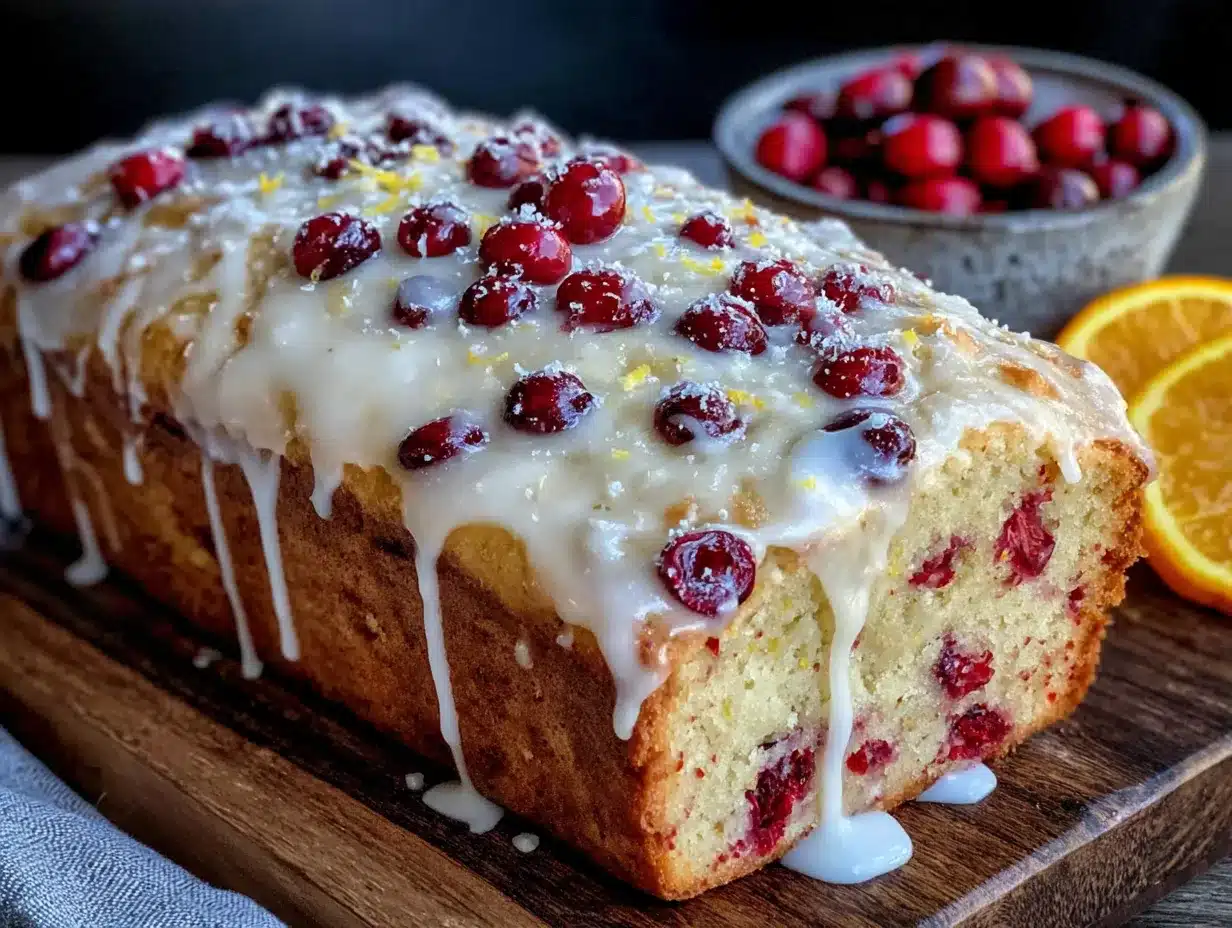
What makes this version different from all the other cranberry breads out there? It’s the texture. I use a combination of buttermilk and melted butter that gives you a tender, almost cake-like crumb without being heavy. And the glaze? It’s not just a drizzle—it’s a thick, glossy layer that soaks into the top of the bread just enough to make every bite special. This isn’t just another quick bread recipe. It’s the one you’ll keep coming back to.
What Ingredients You Will Need
This recipe uses simple, wholesome ingredients that work together to create something truly special. Most of these are pantry staples, which is exactly what you want in a recipe you’ll make again and again.
For the Bread
- 2 cups all-purpose flour (I use King Arthur for consistent results, but any brand works fine)
- 1 cup granulated sugar
- 1 ½ teaspoons baking powder
- ½ teaspoon baking soda
- ½ teaspoon salt (don’t skip this—it balances the sweetness)
- 1 large egg, room temperature
- ¾ cup buttermilk, shaken (adds tenderness and a slight tang)
- ⅓ cup unsalted butter, melted and slightly cooled
- 1 tablespoon orange zest (from about 1 large orange—make sure to zest before juicing)
- ¼ cup fresh orange juice (from the same orange)
- 1 teaspoon vanilla extract
- 1 ½ cups fresh or frozen cranberries (if using frozen, don’t thaw them first)
For the Orange Glaze
- 1 cup powdered sugar, sifted
- 2 tablespoons fresh orange juice
- ½ teaspoon orange zest
- 1 tablespoon unsalted butter, melted
A few notes on ingredients: I really recommend using fresh oranges for both the zest and juice. The bottled stuff just doesn’t have the same brightness, and honestly, the zest is where most of the flavor lives. For the cranberries, if you’re using frozen ones—which I often do when fresh aren’t in season—just toss them into the dry ingredients before adding the wet. This helps prevent them from sinking to the bottom of the loaf.
If you don’t have buttermilk on hand, you can make a quick substitute by adding 1 tablespoon of lemon juice or white vinegar to ¾ cup of milk and letting it sit for 5 minutes. I’ve done this more times than I can count, and it works perfectly.
Equipment Needed
You don’t need anything fancy here. This is a straightforward recipe that works with basic kitchen tools:
- 9×5-inch loaf pan (a metal pan gives the best browning, but glass works too—just reduce the oven temperature by 25°F)
- Parchment paper (trust me on this—it makes lifting the bread out so much easier)
- Two mixing bowls (one medium, one large)
- Whisk
- Rubber spatula
- Microplane or fine grater for the orange zest
- Citrus juicer or reamer (or just squeeze by hand—I’ve done both)
- Cooling rack
- Measuring cups and spoons
If you don’t have a microplane, the small side of a box grater works fine for zesting. And honestly, I’ve made this bread without a cooling rack before—just used the inverted lid of a plastic container. We work with what we’ve got, right?
Preparation Method
Ready to make the best cranberry orange bread of your life? Let’s do this. Preheat your oven to 350°F (175°C) and get your loaf pan ready by lining it with parchment paper, leaving some overhang on the long sides. This little trick makes lifting the bread out a breeze.
- Prep your cranberries. If you’re using fresh cranberries, give them a quick rinse and pick out any soft or damaged ones. Pat them dry with a paper towel. If using frozen, just measure them straight from the bag. Toss the cranberries with about 1 tablespoon of the flour from your measured amount. This helps keep them suspended in the batter instead of sinking to the bottom.
- Mix the dry ingredients. In a large bowl, whisk together the flour, sugar, baking powder, baking soda, and salt. Make sure everything is evenly distributed. I always give it an extra 10 seconds of whisking because I’m paranoid about clumps of baking powder.
- Combine the wet ingredients. In a separate medium bowl, whisk the egg until it’s light and frothy—about 30 seconds. Add the buttermilk, melted butter, orange zest, orange juice, and vanilla extract. Whisk until everything is well combined. The mixture might look a little curdled if your butter was too warm, but don’t worry about it. It’ll come together in the oven.
- Bring it all together. Pour the wet ingredients into the dry ingredients. Using a rubber spatula, fold gently until just combined. You want to see a few streaks of flour still—overmixing will make the bread tough. Now, gently fold in the cranberries. The batter will be thick and a little lumpy. That’s exactly what you want.
- Bake to perfection. Pour the batter into your prepared loaf pan and spread it evenly. Bake for 50-60 minutes, or until a toothpick inserted into the center comes out clean or with just a few moist crumbs. The top should be golden brown and cracked in that beautiful way quick breads do. If the top is browning too quickly around the 40-minute mark, tent the pan loosely with foil.
- Cool completely. Let the bread cool in the pan for 15 minutes. Then, using the parchment paper overhang, lift it out and transfer to a wire rack to cool completely. This is important—if you glaze it while it’s still warm, the glaze will just melt right off and soak into the bread. And while that doesn’t taste bad, it’s not the pretty glossy finish we’re going for.
- Make the glaze. While the bread is cooling, make the glaze. In a small bowl, whisk together the sifted powdered sugar, orange juice, orange zest, and melted butter until smooth. The glaze should be thick but pourable—if it’s too thick, add a tiny bit more juice. If it’s too thin, add a little more powdered sugar.
- Glaze and serve. Once the bread is completely cool, pour the glaze over the top, letting it drip down the sides. Let the glaze set for about 15 minutes before slicing. I know it’s hard to wait, but trust me, it’s worth it.
Cooking Tips & Techniques
I’ve made this cranberry orange bread more times than I care to admit, and I’ve learned a few things the hard way. Let me save you some trouble.
Don’t overmix the batter. This is the number one mistake people make with quick breads. Mix until the flour just disappears, and stop. Overmixing develops the gluten and gives you a tough, dense loaf instead of a tender, fluffy one. I learned this lesson when I made a loaf that could have doubled as a doorstop.
Room temperature ingredients matter. I know it’s annoying to wait for eggs and buttermilk to come to room temperature, but it makes a real difference. Cold ingredients don’t emulsify properly, which can lead to a denser texture. If you’re in a hurry, place the egg in a bowl of warm water for 5 minutes and microwave the buttermilk for 10 seconds.
Use a microplane for the zest. The fine zest from a microplane incorporates into the batter much better than larger strips from a box grater. And make sure you only get the orange part—the white pith underneath is bitter and will ruin the flavor.
Check for doneness with a thermometer. If you have an instant-read thermometer, the internal temperature of the bread should be around 200-205°F (93-96°C) when it’s done. This is more reliable than the toothpick test, especially if you have cranberries that might leave moisture on the toothpick.
Let it cool completely. I know I said this already, but I’m saying it again because I’ve ruined three glazes by rushing. The patience pays off.
Variations & Adaptations
One of the things I love about this recipe is how adaptable it is. Here are some variations I’ve tried and loved:
Gluten-Free Version: Substitute the all-purpose flour with a 1:1 gluten-free baking flour blend. I’ve had great results with King Arthur’s Measure for Measure blend. The texture is slightly more delicate, so handle it gently when folding in the cranberries.
Dairy-Free Adaptation: Use a dairy-free milk mixed with 1 tablespoon of lemon juice in place of the buttermilk, and substitute the butter with melted coconut oil or a plant-based butter. The flavor will be slightly different, but still delicious.
Blueberry Orange Bread: Swap the cranberries for fresh or frozen blueberries. The combination of blueberry and orange is equally wonderful, and it makes a great summer version. I made this for a Fourth of July brunch and it was gone in minutes.
Spiced Cranberry Orange Bread: Add 1 teaspoon of cinnamon and ½ teaspoon of nutmeg to the dry ingredients. The warm spices complement the tart cranberries beautifully, and it makes the whole house smell incredible. This is my go-to for Thanksgiving morning.
Orange Glaze Variations: Try adding a splash of vanilla extract or a pinch of cinnamon to the glaze for a different flavor profile. For a grown-up version, substitute 1 tablespoon of the orange juice with Grand Marnier or triple sec.
Serving & Storage Suggestions
This cranberry orange bread is at its absolute best the day it’s made, when the glaze is still glossy and the crumb is perfectly tender. But it’s also one of those rare recipes that gets better after a day or two, as the flavors meld together.
Serving: Slice the bread and serve at room temperature. It’s wonderful on its own, but if you want to dress it up, toast a slice lightly and spread it with softened butter or cream cheese. For a special breakfast, serve it alongside scrambled eggs and fresh fruit. It also makes an amazing dessert when served with a dollop of whipped cream or a scoop of vanilla ice cream.
Storage: Wrap the bread tightly in plastic wrap or aluminum foil and store at room temperature for up to 3 days. If you’ve already glazed it, be careful not to smudge the glaze when wrapping. For longer storage, you can refrigerate it for up to a week, but the texture will be slightly denser.
Freezing: This bread freezes beautifully. If you’re planning to freeze it, I recommend doing so before glazing. Wrap the cooled, unglazed loaf tightly in plastic wrap, then in a layer of foil. Freeze for up to 3 months. When you’re ready to serve, thaw overnight in the refrigerator, bring to room temperature, and then glaze. The glaze doesn’t freeze well, so always add it fresh.
Reheating: If you want to enjoy a warm slice, pop it in the toaster for about 30 seconds or microwave for 10 seconds. The glaze will soften a bit, but it’s still delicious.
Nutritional Information & Benefits
While this is definitely a treat, it does have some redeeming qualities. Here’s the estimated nutritional breakdown per slice (based on 12 slices):
| Nutrient | Amount Per Slice |
|---|---|
| Calories | 285 |
| Total Fat | 9g |
| Saturated Fat | 5g |
| Cholesterol | 35mg |
| Sodium | 210mg |
| Total Carbohydrates | 48g |
| Dietary Fiber | 2g |
| Sugars | 30g |
| Protein | 4g |
Cranberries are packed with antioxidants and vitamin C, and oranges bring their own immune-boosting benefits. The buttermilk adds calcium and probiotics. Is it health food? No. But it’s a wholesome indulgence made with real ingredients, and I think there’s something to be said for that. A slice of this bread with a cup of tea feels like a small act of self-care.
Frequently Asked Questions
Can I use dried cranberries instead of fresh?
You can, but the texture will be different. Dried cranberries are much sweeter and chewier than fresh, so the bread will be less tart and have a different mouthfeel. If you use dried cranberries, reduce the sugar in the recipe by 2 tablespoons to compensate for the added sweetness.
Why did my cranberries sink to the bottom?
This usually happens when the batter is too thin or the cranberries aren’t coated in flour. Make sure to toss the cranberries in a tablespoon of flour before folding them in. Also, don’t overmix the batter—overmixing can thin it out. And if you’re using frozen cranberries, add them straight from the freezer without thawing.
Can I make this into muffins instead?
Absolutely! Divide the batter evenly among a 12-cup muffin tin lined with paper liners. Bake at 375°F (190°C) for 18-22 minutes, or until a toothpick comes out clean. The glaze can be drizzled over the cooled muffins. You’ll get about 12 muffins.
How do I know when the bread is fully baked?
Insert a toothpick or wooden skewer into the center of the loaf. If it comes out clean or with just a few moist crumbs, it’s done. If you see wet batter, give it another 5 minutes and check again. An instant-read thermometer should read 200-205°F (93-96°C) in the center.
Can I reduce the sugar in this recipe?
You can reduce the granulated sugar to ¾ cup without significantly affecting the texture, but any less than that might make the bread dry. The glaze is harder to reduce—the powdered sugar is what gives it that thick, glossy consistency. You could skip the glaze entirely and just dust the bread with powdered sugar instead.
Conclusion
This cranberry orange bread has become one of those recipes that feels like mine now, even though I started out trying to recreate someone else’s. It’s the bread I bring to holiday gatherings, the one I make on rainy Sunday afternoons when I need something to look forward to. It’s the recipe I text to friends when they ask for something easy but impressive.
I hope you’ll make it your own, too. Maybe you’ll add a little more orange zest, or swap in blueberries, or skip the glaze because you’re not a glaze person (though I don’t know who you are). The beauty of a recipe like this is that it’s a starting point, not a rulebook. Trust your instincts, use good ingredients, and don’t be afraid to make a mess. That’s how the best recipes are born.
When you make this bread—and I really hope you do—come back and let me know how it turned out. Did you change anything? Did it remind you of someone? Did you eat three slices before the glaze even set? I want to hear all of it. Leave a comment below or tag me in your photos. Happy baking, friend.
Pin This Recipe!
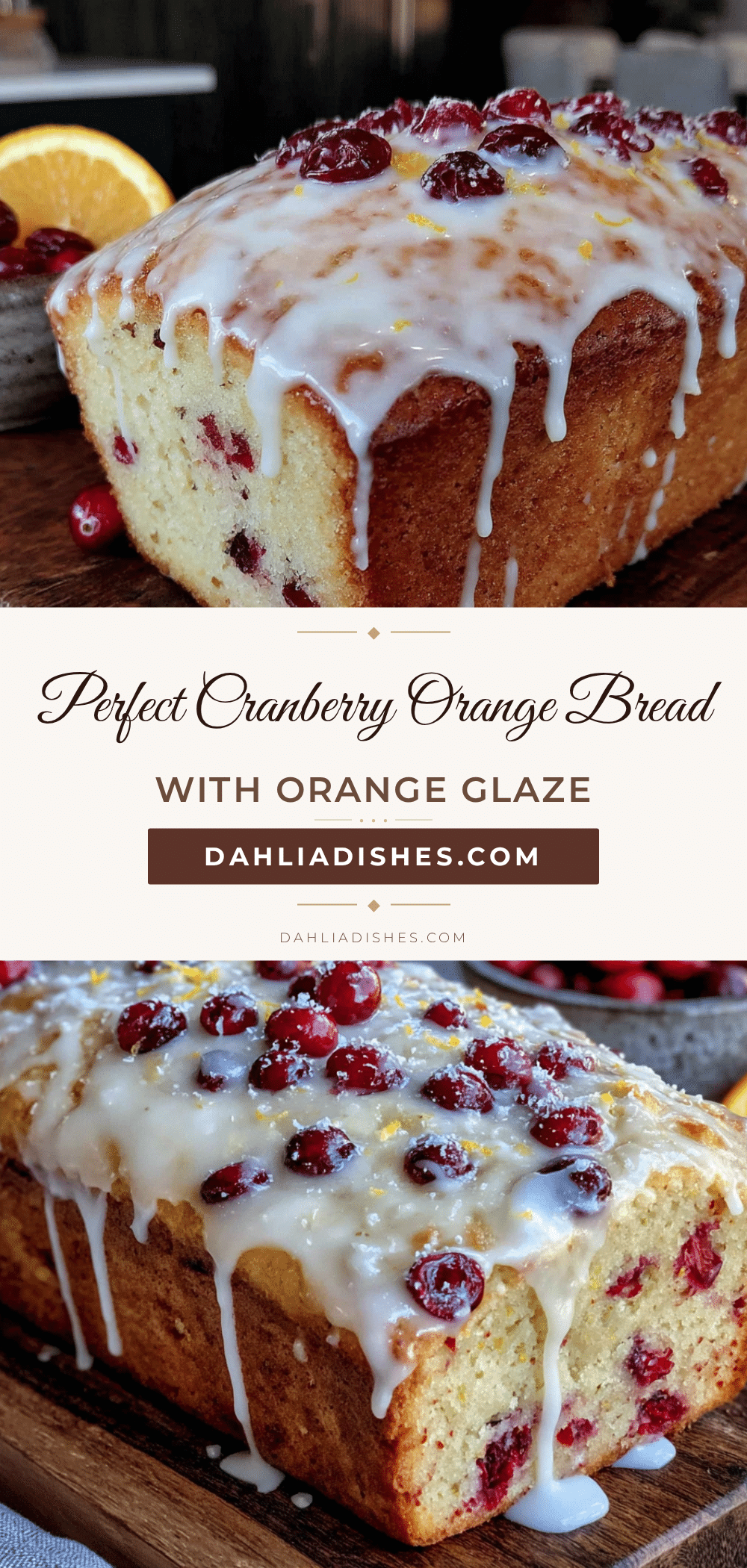
Perfect Cranberry Orange Bread with Orange Glaze
This tender, cake-like cranberry orange bread is topped with a thick, glossy orange glaze. It’s a quick and easy recipe that’s perfect for holiday mornings or any time you crave a bright, fruity treat.
- Prep Time: 15 minutes
- Cook Time: 55 minutes
- Total Time: 70 minutes
- Yield: 12 servings 1x
- Category: Dessert
- Cuisine: American
Ingredients
- 2 cups all-purpose flour
- 1 cup granulated sugar
- 1 ½ teaspoons baking powder
- ½ teaspoon baking soda
- ½ teaspoon salt
- 1 large egg, room temperature
- ¾ cup buttermilk, shaken
- ⅓ cup unsalted butter, melted and slightly cooled
- 1 tablespoon orange zest
- ¼ cup fresh orange juice
- 1 teaspoon vanilla extract
- 1 ½ cups fresh or frozen cranberries
- 1 cup powdered sugar, sifted
- 2 tablespoons fresh orange juice
- ½ teaspoon orange zest
- 1 tablespoon unsalted butter, melted
Instructions
- Preheat oven to 350°F (175°C). Line a 9×5-inch loaf pan with parchment paper, leaving overhang on the long sides.
- If using fresh cranberries, rinse and pick out any soft ones; pat dry. If using frozen, measure straight from the bag. Toss cranberries with 1 tablespoon of the flour from the measured amount.
- In a large bowl, whisk together flour, sugar, baking powder, baking soda, and salt.
- In a separate medium bowl, whisk the egg until light and frothy (about 30 seconds). Add buttermilk, melted butter, orange zest, orange juice, and vanilla extract; whisk until well combined.
- Pour wet ingredients into dry ingredients. Fold gently with a rubber spatula until just combined (a few streaks of flour should remain). Gently fold in the cranberries.
- Pour batter into prepared loaf pan and spread evenly. Bake for 50-60 minutes, until a toothpick inserted in the center comes out clean or with a few moist crumbs. If top browns too quickly, tent with foil at 40 minutes.
- Let bread cool in pan for 15 minutes, then lift out using parchment overhang and transfer to a wire rack to cool completely.
- For the glaze: In a small bowl, whisk together sifted powdered sugar, orange juice, orange zest, and melted butter until smooth. Adjust consistency with more juice or powdered sugar if needed.
- Once bread is completely cool, pour glaze over the top, letting it drip down the sides. Let glaze set for about 15 minutes before slicing.
Notes
Don’t overmix the batter; mix until flour just disappears. Room temperature ingredients help with emulsification. Use a microplane for zest to avoid bitter pith. Check doneness with an instant-read thermometer (200-205°F). Let bread cool completely before glazing. For gluten-free, use a 1:1 gluten-free flour blend. For dairy-free, use dairy-free milk with lemon juice and coconut oil or plant-based butter. For blueberry orange bread, swap cranberries for blueberries. For spiced version, add 1 tsp cinnamon and ½ tsp nutmeg. For a grown-up glaze, substitute 1 tbsp orange juice with Grand Marnier or triple sec. Store at room temperature for up to 3 days. Freeze unglazed loaf for up to 3 months.
Nutrition
- Serving Size: 1 slice
- Calories: 285
- Sugar: 30
- Sodium: 210
- Fat: 9
- Saturated Fat: 5
- Carbohydrates: 48
- Fiber: 2
- Protein: 4
Keywords: cranberry orange bread, cranberry bread, orange glaze, quick bread, holiday bread, Christmas brunch