Love this? Save it for later!
Share the inspiration with your friends
Jen wasn’t trying to impress anyone. I’d stopped by her place on a drizzly Tuesday afternoon to pick up a book I’d lent her months ago, and the smell hit me before I even got through the door. It was warm, spicy, and sweet—like walking into a holiday market, but way more personal. She was standing in her socks, stirring a pot on the stove, barely looking up. “Oh, that’s just mulled wine,” she said, like it was nothing. Like she hadn’t just created the most inviting scent I’d ever encountered in a regular apartment on a random weekday.
I stood there, dripping rain on her doormat, completely caught off guard. I mean, I’ve had mulled wine before—at ski lodges, Christmas parties, fancy winter weddings. But this was different. This was casual. It was just her, a bottle of red she probably grabbed on sale, and a few spices she’d thrown in without measuring. She poured me a mug without asking if I wanted one, and honestly, that’s when I knew this recipe was special. It wasn’t a production. It wasn’t a performance. It was just something she made because the weather called for it.
That mug changed my whole approach to hosting. You know that feeling when you want to serve something impressive but don’t want to be stuck in the kitchen while your guests are having fun? This is that recipe. It practically makes itself, fills your home with that unmistakable cozy aroma, and makes everyone feel like you’ve gone all out—even though you barely broke a sweat. I’ve been making it ever since, tweaking it just a little, and let me tell you, it’s the first thing I reach for whenever I have people over in the colder months. It’s not just a drink. It’s the vibe-setter for the whole evening.
Why You’ll Love This Recipe
I’ve tested this mulled wine recipe more times than I can count—at small dinner parties, big holiday gatherings, and even one particularly chilly game night where it saved the evening. It’s the kind of recipe that makes you look like a hero without any of the stress.
- Incredibly Easy: You just combine everything in a pot and let it simmer. No fancy techniques, no constant stirring—just set it and forget it (well, don’t actually forget it, but you get the idea).
- Simple Ingredients: You probably already have most of these spices in your pantry. The wine? Any decent, affordable red will do. No need to break the bank.
- Perfect for Hosting: This is the ultimate party trick. It makes your whole house smell amazing, it’s ready in under 30 minutes, and guests can help themselves from the pot. It keeps you out of the kitchen and in the conversation.
- Crowd-Pleaser: Even people who say they don’t like red wine love this. The spices and citrus mellow everything out. It’s sweet, warm, and dangerously easy to drink.
- Unbelievably Cozy: This isn’t just a drink—it’s an experience. The first sip feels like wrapping your hands around a warm mug on a cold night. It’s comfort in liquid form.
What makes this version different? It’s all about balance. A lot of mulled wine recipes are too sweet or too heavy on the cloves. I’ve dialed in the ratio of cinnamon to star anise to orange so that every sip is harmonious. It’s warm without being cloying, fragrant without being overpowering. This is the version you’ll come back to year after year.
What Ingredients You Will Need
This recipe uses simple, wholesome ingredients that come together to create something truly special. The magic is in the combination—each one plays a role in building that deep, cozy flavor profile you’ll crave all winter long.
- Red Wine (1 bottle, 750 ml): Use a medium-bodied red like Merlot, Zinfandel, or a Spanish Tempranillo. You don’t need expensive wine—anything you’d happily drink a glass of is perfect. Avoid anything too tannic or oaky, like a bold Cabernet Sauvignon, as it can turn bitter when heated.
- Orange (1 large, sliced into rounds): The citrus is crucial—it brightens the whole drink and cuts through the sweetness. I like to use a navel orange for its sweetness, but a blood orange in season adds a beautiful color.
- Cinnamon Sticks (3-4): The backbone of the flavor. Use whole sticks, not ground cinnamon, which will make the wine gritty and cloudy. I prefer Ceylon cinnamon for its milder, more delicate flavor, but Cassia works great too.
- Star Anise (3-4 whole pods): This gives that classic licorice-like warmth that makes mulled wine so distinctive. A little goes a long way—too many and it’ll taste like black licorice candy.
- Whole Cloves (6-8): Just a few for depth. They’re potent, so stick to the count. If you’re feeling fancy, you can stud the orange slices with the cloves before adding them to the pot.
- Honey or Maple Syrup (3-4 tablespoons): For sweetness. Start with 3 tablespoons and adjust after it simmers. Honey gives a floral note, while maple syrup adds a subtle woodsy sweetness. Both work beautifully.
- Brandy or Orange Liqueur (optional, 1/4 cup): This isn’t strictly necessary, but a splash of brandy or Cointreau adds a lovely warmth and complexity. It’s what makes this recipe feel extra special for a gathering.
- Fresh Ginger (3-4 thin slices): A hidden gem. It adds a gentle warmth and a tiny kick that keeps the drink from feeling one-dimensional. Don’t skip it—it makes a real difference.
Equipment Needed
You don’t need a lot of fancy gear for this recipe, which is part of its charm. Here’s what you’ll need to get started.
- Large Pot or Dutch Oven (4-6 quart): You need enough room for the wine and all the fruit and spices. A Dutch oven is ideal because it holds heat well, but any large pot will work. I’ve used my old enameled Le Creuset for years, and it’s perfect.
- Wooden Spoon or Ladle: For stirring and serving. A wooden spoon won’t react with the wine, and a ladle makes serving easy without mess.
- Fine-Mesh Strainer: Optional, but helpful if you want to remove all the spices and fruit before serving. Some people like leaving the star anise and cinnamon sticks in for visual appeal—I’m in that camp.
- Mugs or Heatproof Glasses: Clear glass mugs let you show off the beautiful deep ruby color, but any sturdy mug works. Just make sure they’re heatproof.
- Measuring Spoons and Cups: For the honey, brandy, and spices. Not strictly necessary if you’re comfortable eyeballing it, but helpful for consistency.
Preparation Method
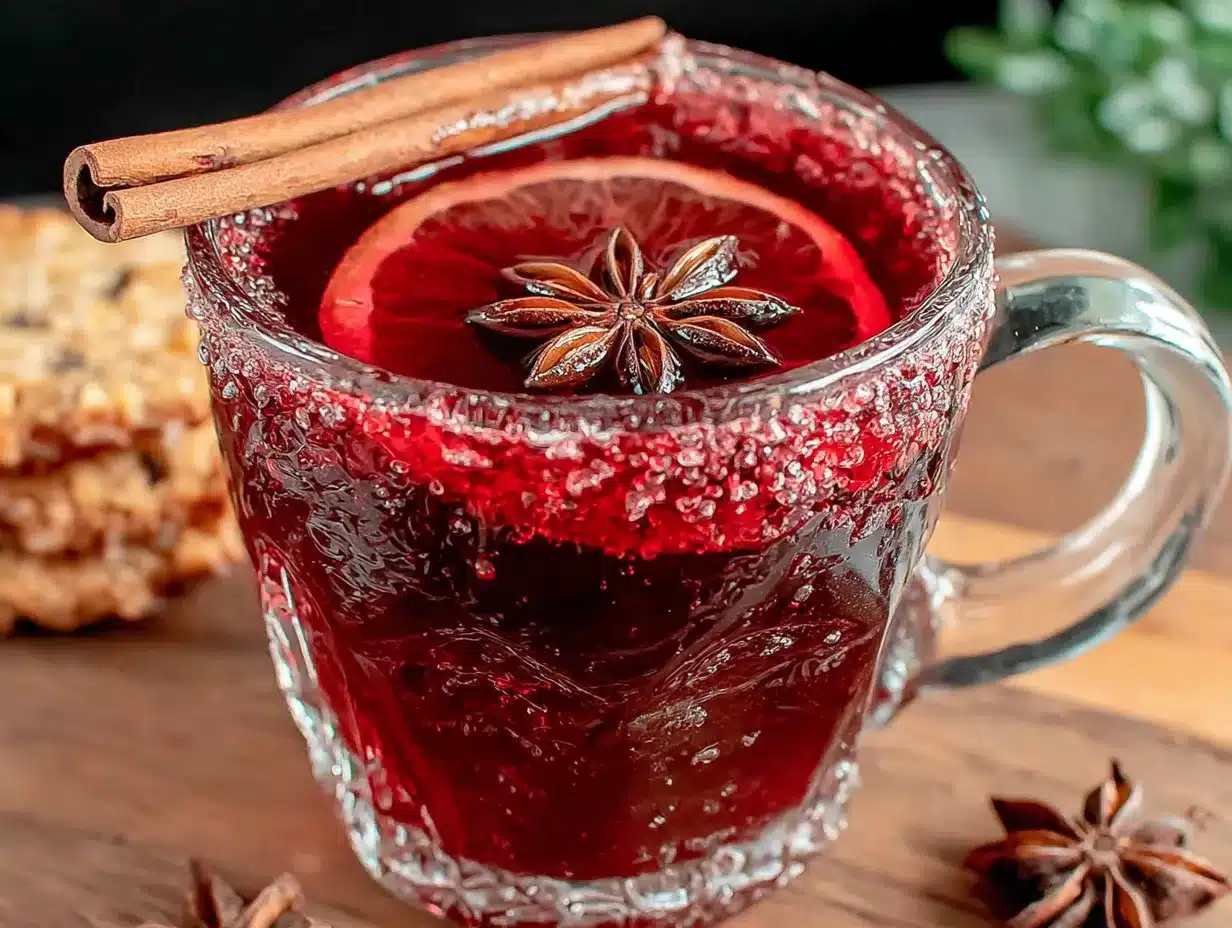
This is where the magic happens. The process is simple, but there are a few small tricks that make all the difference between good mulled wine and unforgettable mulled wine.
- Prepare the aromatics (5 minutes): Wash the orange thoroughly and slice it into thin rounds, about 1/4-inch thick. If you’re using cloves, you can stick them directly into the orange slices—this makes them easier to fish out later. Peel the ginger with a spoon (that’s the easiest way) and cut it into 3-4 thin slices.
- Combine everything in the pot (2 minutes): Pour the entire bottle of red wine into your pot. Add the orange slices, cinnamon sticks, star anise, cloves, and ginger slices. If you’re using honey or maple syrup, add it now. Don’t add the brandy yet—we’ll do that at the end.
- Heat gently (15-20 minutes): Place the pot over medium-low heat. This is the most important step—do NOT let the wine boil. Boiling will cook off the alcohol and make the wine taste flat and jammy. You want it to get hot enough that tiny bubbles form around the edges, but that’s it. A gentle simmer is your friend. Stir occasionally to help the honey dissolve and the spices infuse.
- Taste and adjust (2 minutes): After 15 minutes, take a small taste. Is it sweet enough? Add a little more honey or maple syrup. Is the spice level where you want it? If you want it stronger, let it simmer another 5-10 minutes. If it’s too strong, you can add a splash more wine or a little water to mellow it out.
- Add the brandy (1 minute): If you’re using brandy or orange liqueur, stir it in now. Let it heat through for just a minute—don’t let it simmer again, or you’ll lose that lovely warmth from the alcohol.
- Strain (optional, 2 minutes): If you want a clear drink, pour the mulled wine through a fine-mesh strainer into a heatproof pitcher or directly into mugs. I prefer to leave the cinnamon sticks and star anise in the pot for presentation—they look beautiful floating in the mugs.
- Serve immediately: Ladle the mulled wine into mugs. Garnish each mug with a fresh cinnamon stick or a star anise pod if you’ve removed the originals. A thin orange slice floating on top is a lovely touch.
Cooking Tips & Techniques
I’ve made this recipe more times than I can count, and I’ve definitely made my share of mistakes along the way. Here’s what I’ve learned so you don’t have to.
Don’t boil the wine. I cannot stress this enough. I once got distracted by a phone call and let the pot come to a full boil. The result was a sad, flat, overly sweet liquid that tasted more like cough syrup than mulled wine. Keep the heat low and steady. If you’re unsure, use a thermometer—you want it between 160°F and 170°F (70°C to 75°C).
Let it steep, don’t rush it. The longer the spices sit in the warm wine, the more flavor they release. If you’re in a hurry, you can bump up the heat slightly (still no boiling!), but 20 minutes of gentle simmering is the sweet spot. For a deeper flavor, you can even turn off the heat and let it steep for another 10-15 minutes before serving.
Taste as you go. Everyone’s palate is different. I like my mulled wine on the less sweet side with a strong cinnamon note. My sister prefers it sweeter with more orange. Start with the base measurements and adjust. It’s much easier to add more honey than to fix an overly sweet pot.
Make it ahead of time. This is a lifesaver for hosting. You can make the mulled wine up to 2 hours before guests arrive. Just keep it on the lowest possible heat on the stove, or transfer it to a slow cooker on the “warm” setting. The flavors will actually meld and deepen as it sits.
Scale it up easily. For a crowd, just double or triple the recipe. Use a larger pot or a slow cooker. The proportions stay the same, so you can’t go wrong. A slow cooker is actually perfect for this—just combine everything and set it on low for 2-3 hours.
Variations & Adaptations
One of the best things about this recipe is how flexible it is. Here are a few ways to make it your own, depending on what you’re in the mood for or what you have on hand.
- Spiced Apple Mulled Wine: Swap half the red wine for unfiltered apple cider. Add an extra cinnamon stick and a pinch of nutmeg. The apple flavor is incredible with the star anise, and it makes the drink a little less boozy—perfect for a long afternoon gathering.
- White Mulled Wine: Use a dry white wine like Sauvignon Blanc or Pinot Grigio instead of red. The flavor is lighter and more floral. Pair it with sliced pears instead of oranges, and add a vanilla bean pod (split open) for a really elegant twist.
- Non-Alcoholic Version: Replace the wine with a good quality red grape juice or a blend of pomegranate and cranberry juice. Simmer with the same spices and citrus. It’s just as cozy and fragrant, and kids or designated drivers can enjoy it too. Add a splash of apple cider vinegar at the end for a little tang that mimics the wine’s acidity.
- Spicy Kick: Add a small dried chile (like a chile de árbol) or a 1-inch piece of fresh jalapeño (seeds removed) to the pot. It adds a subtle warmth that builds slowly. I tried this on a whim during a particularly cold January, and it was a huge hit at a game night.
Serving & Storage Suggestions
How you serve this can really elevate the whole experience, especially when you’re hosting. Presentation matters, and a few small touches go a long way.
Serving Temperature: Serve mulled wine hot, but not scalding. Aim for a temperature that’s comfortable to sip immediately. If it’s too hot, let it cool in the mug for a minute or two. I like to warm the mugs first by filling them with hot water for a minute, then emptying them—this keeps the drink hot longer.
Presentation Ideas: Set up a self-serve station with the pot or slow cooker, a ladle, and a stack of mugs. Put out small bowls of garnishes—extra cinnamon sticks, star anise pods, orange slices, and maybe some fresh cranberries. Let guests customize their own mugs. It’s interactive and looks beautiful on a sideboard.
What to Serve Alongside: This drink pairs beautifully with cheese boards (aged cheddar and manchego are perfect), roasted nuts, dark chocolate, or simple butter cookies. For a heartier spread, serve it alongside roasted pork tenderloin or a warm winter salad. It’s also a natural partner for gingerbread or apple crisp.
Storage: Leftover mulled wine can be stored in a sealed container in the refrigerator for up to 3 days. The flavors will continue to meld, and it might even taste better the next day. To reheat, gently warm it on the stove over low heat—again, no boiling. You can also reheat individual mugs in the microwave for about 45 seconds.
Freezing: You can freeze mulled wine in an airtight container for up to 3 months. Thaw in the refrigerator overnight and reheat gently. The texture might be slightly different, but the flavor will still be wonderful. It’s a great way to use up leftover wine from a party.
Nutritional Information & Benefits
While mulled wine is definitely a treat, it does have a few surprising benefits worth noting. Here’s a rough breakdown per 6-ounce serving (using one bottle of wine and about 4 tablespoons of honey).
| Nutrient | Amount (approx.) |
|---|---|
| Calories | 180-220 |
| Carbohydrates | 20-25g |
| Sugar | 18-22g |
| Alcohol | ~12g (varies) |
Health Highlights: Red wine is known for containing antioxidants like resveratrol, which may support heart health. Cinnamon has anti-inflammatory properties and can help regulate blood sugar. Star anise is rich in antioxidants and has been used in traditional medicine for digestive health. Ginger is a natural anti-inflammatory and can soothe an upset stomach. Of course, these benefits are subtle—mulled wine is first and foremost a cozy treat, not a health drink.
Dietary Considerations: This recipe is naturally gluten-free and dairy-free. To make it vegan, use maple syrup instead of honey. The sugar content can be adjusted by reducing the honey or using a sugar-free sweetener like monk fruit. Always check your brandy or liqueur for any additives if you have specific dietary needs.
Conclusion
This cozy mulled wine with cinnamon and star anise is more than just a drink—it’s the centerpiece of a great evening. It’s the kind of recipe that makes your home feel warm and inviting before anyone even takes a sip. The best part? It’s almost impossible to mess up. You can tweak the spices, adjust the sweetness, and make it your own without any stress.
I love this recipe because it reminds me of that rainy Tuesday at Jen’s place—how something so simple could feel so special. Every time I make it, I’m transported back to that moment. I hope it becomes that for you, too. A go-to for impromptu gatherings, a signature for holiday parties, or just a quiet night in when the weather calls for something warm.
Have you tried this recipe? I’d love to hear how it turned out! Did you add your own twist? Drop a comment below and share your version. And if you loved it, don’t forget to share it with a friend who needs a little extra coziness this season. Cheers!
Frequently Asked Questions
Can I use ground spices instead of whole spices?
You can, but I really don’t recommend it. Ground spices will make the wine cloudy and gritty, and they’re much harder to strain out. Whole spices infuse the wine gently and leave you with a beautiful, clear drink. Plus, they look gorgeous floating in the mugs.
What’s the best wine to use for mulled wine?
A medium-bodied red wine is your best bet. Merlot, Zinfandel, or a Spanish Tempranillo are all excellent choices. Avoid anything too expensive—the heat will mute the subtle notes anyway. Also avoid wines that are too tannic or oaky, as they can become bitter when heated.
Can I make this in a slow cooker?
Absolutely! A slow cooker is perfect for mulled wine, especially when you’re hosting. Combine all the ingredients and cook on low for 2-3 hours. The slow cooker keeps it at a consistent temperature without any risk of boiling. Just switch it to “warm” when guests arrive.
How can I make this less sweet?
Easy—just reduce the honey or maple syrup. Start with 2 tablespoons instead of 4, and taste after it simmers. You can always add more sweetness, but you can’t take it out. The natural sweetness from the orange will also help balance the spices.
Can I add other fruits to the mulled wine?
Definitely! Sliced apples, pears, or even cranberries are wonderful additions. They add natural sweetness and their own unique flavor. Just add them with the other ingredients at the start. If you use cranberries, you might want to add a little extra honey to balance their tartness.
Pin This Recipe!
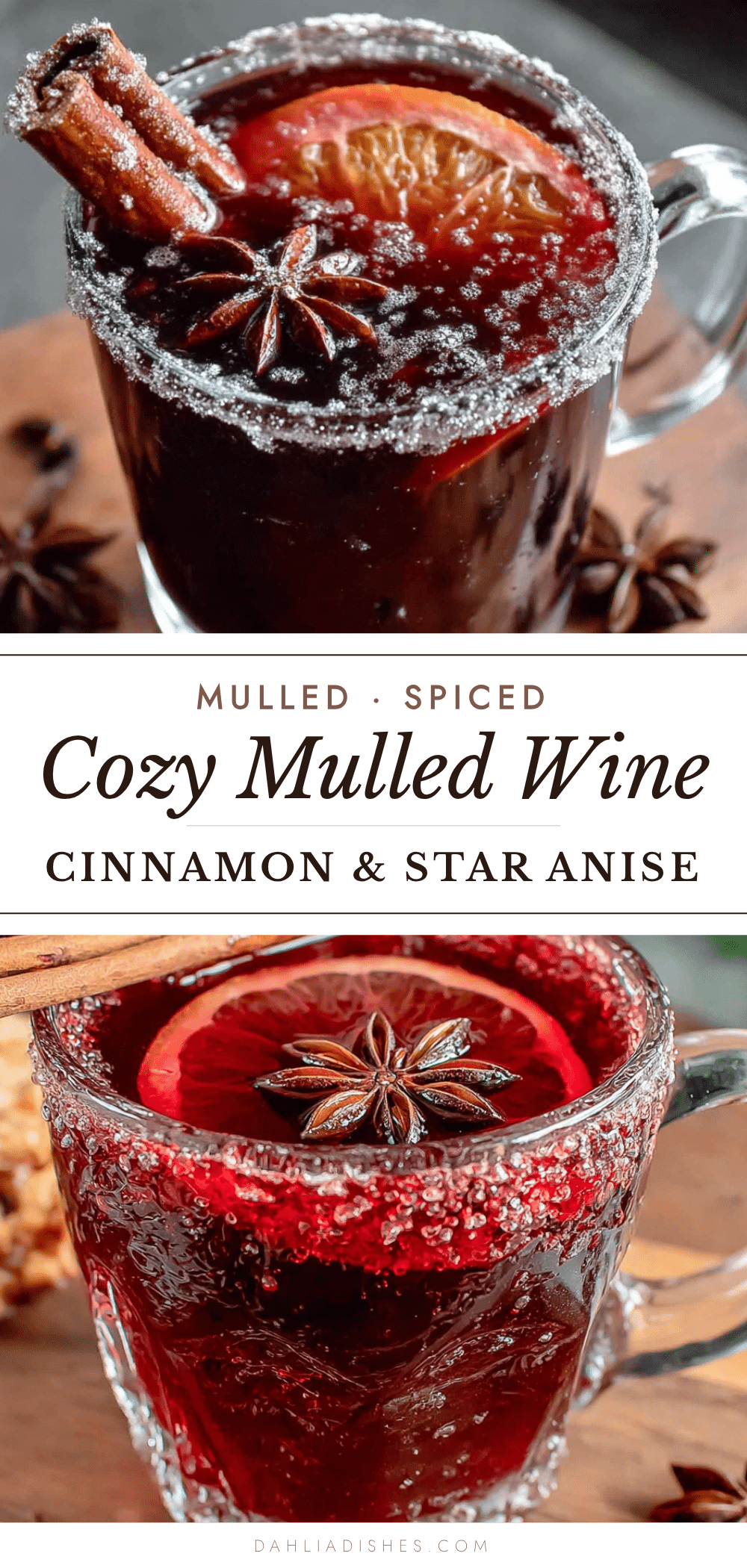
Cozy Mulled Wine Recipe with Cinnamon and Star Anise

This cozy mulled wine with cinnamon and star anise is the perfect winter warmer. It’s incredibly easy to make, fills your home with a welcoming aroma, and is ideal for holiday gatherings or a quiet night in.
- Prep Time: 5 minutes
- Cook Time: 20 minutes
- Total Time: 25 minutes
- Yield: 4 servings 1x
- Category: Beverage
- Cuisine: European
Ingredients
- 1 bottle (750 ml) red wine (medium-bodied, like Merlot, Zinfandel, or Tempranillo)
- 1 large orange, sliced into rounds
- 3–4 cinnamon sticks
- 3–4 whole star anise pods
- 6–8 whole cloves
- 3–4 tablespoons honey or maple syrup
- 1/4 cup brandy or orange liqueur (optional)
- 3–4 thin slices fresh ginger
Instructions
- Prepare the aromatics: Wash the orange and slice into thin rounds (about 1/4-inch thick). Optionally, stick cloves into the orange slices. Peel the ginger and cut into 3-4 thin slices.
- Combine everything in the pot: Pour the red wine into a large pot or Dutch oven. Add the orange slices, cinnamon sticks, star anise, cloves, ginger slices, and honey or maple syrup. Do not add the brandy yet.
- Heat gently: Place the pot over medium-low heat. Heat until tiny bubbles form around the edges, but do not let it boil. Simmer gently for 15-20 minutes, stirring occasionally.
- Taste and adjust: After 15 minutes, taste the mulled wine. Add more honey or maple syrup if desired. If you want stronger spice flavor, let it simmer another 5-10 minutes.
- Add the brandy: If using brandy or orange liqueur, stir it in and let it heat through for about 1 minute. Do not let it simmer again.
- Strain (optional): For a clear drink, strain through a fine-mesh strainer into a heatproof pitcher or directly into mugs. Alternatively, leave the cinnamon sticks and star anise in the pot for presentation.
- Serve immediately: Ladle into mugs. Garnish with a fresh cinnamon stick, star anise pod, or a thin orange slice if desired.
Notes
Do not let the wine boil, as it will cook off the alcohol and make the wine taste flat. For a deeper flavor, let the spices steep for an additional 10-15 minutes after turning off the heat. This recipe can be made ahead and kept warm on the stove or in a slow cooker. Leftovers can be stored in the refrigerator for up to 3 days and reheated gently.
Nutrition
- Serving Size: 6 ounces
- Calories: 200
- Sugar: 20
- Sodium: 10
- Carbohydrates: 22
Keywords: mulled wine, cinnamon, star anise, winter drink, holiday drink, red wine, cozy, easy