Love this? Save it for later!
Share the inspiration with your friends
It was 11:47 PM on a Thursday in late August, and I was staring into the fridge like it owed me money. The craving wasn’t for anything fancy—just something cold, tangy, and satisfying that didn’t require turning on the oven. I didn’t have the energy for a full grocery run, but I had a box of rotini, a jar of kalamata olives that had been sitting there for weeks, and a block of feta cheese that was begging to be used. That night, what started as a desperate fridge-scavenging mission turned into something I honestly didn’t expect: a pasta salad so good I ate it straight from the mixing bowl at midnight.
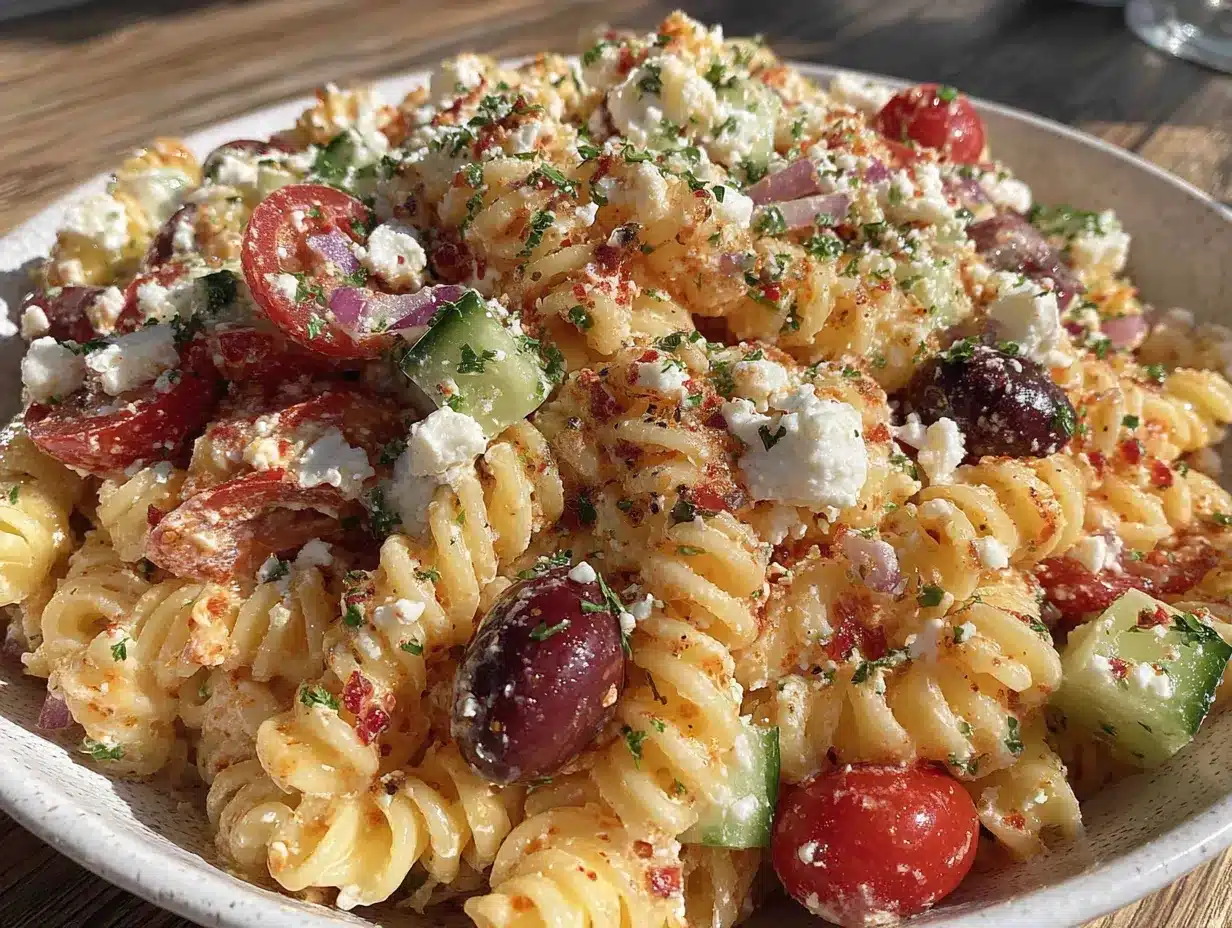
I’ll be real with you—I’ve made a lot of pasta salads in my day. Some were forgettable. A few were downright sad. But this one? This one stuck. The briny pop of olives against the creamy feta, the slight bite of red onion, the way the sun-dried tomatoes soaked up the vinaigrette—it was like every ingredient was doing exactly what it was supposed to. Maybe you’ve been there too, standing in your kitchen at an unreasonable hour, just wanting something that tastes like you actually tried. This Mediterranean pasta salad is that recipe.
The next morning, I made it again—this time with intention. I tweaked the dressing, added more herbs, and tested it cold and at room temperature. It worked both ways. Now it’s the dish I bring to every potluck, the one friends text me about before summer barbecues. It’s simple enough for a Tuesday night but impressive enough that people will ask for the recipe. And honestly? That’s exactly what a good pasta salad should do.
Why You’ll Love This Recipe
Let me tell you why this recipe has earned a permanent spot in my weekly rotation. I’ve tested it at least a dozen times—for family dinners, backyard gatherings, and even a few solo lunches where I ate it straight from the container. Every time, it delivers.
- Quick & Easy: From start to finish, you’re looking at about 25 minutes. The pasta cooks while you chop, and the dressing comes together in a jar. No complicated techniques or multiple pans to wash.
- Simple Ingredients: You probably have most of these already—pasta, olive oil, vinegar, garlic. The specialty items like feta and olives are easy to find at any grocery store and keep well in the fridge.
- Perfect for Meal Prep: This salad actually gets better after a day in the fridge. The flavors meld together, and the pasta soaks up all that herby dressing. Make it Sunday and enjoy it all week.
- Crowd-Pleaser: I’ve served this to picky eaters, veggie skeptics, and full-on food snobs. Everyone goes back for seconds. The combination of salty, tangy, and fresh is basically impossible to resist.
- No Wilting Worries: Unlike green salads that turn into a sad mess within hours, this pasta salad holds up beautifully at room temperature. Perfect for picnics, potlucks, and outdoor events.
What makes this version different from the rest? It’s the balance. So many pasta salads are either drowning in dressing or dry as cardboard. This one hits that sweet spot where every bite has enough vinaigrette to coat the pasta without pooling at the bottom of the bowl. The trick is in the ratio—three parts oil to one part vinegar, with a touch of Dijon mustard to emulsify everything into a silky, clingy dressing that actually sticks to the pasta instead of sliding off.
This isn’t just another pasta salad recipe. It’s the kind that makes you close your eyes after the first bite, because somehow the feta is perfectly creamy, the olives are briny without being overpowering, and the fresh herbs make everything taste like summer on a plate. It’s comfort food that feels a little bit fancy, without any of the stress.
What Ingredients You Will Need
This recipe uses simple, wholesome ingredients that come together to deliver bold Mediterranean flavor without any fuss. Most of these are pantry staples or easy-to-find items that keep well, so you can whip this up whenever the mood strikes.
For the Pasta Salad
- 12 ounces rotini or fusilli pasta (I prefer De Cecco for its texture—it holds up well and doesn’t get mushy)
- 1 cup cherry tomatoes, halved (look for firm, bright-colored ones; grape tomatoes work too)
- 1 cup cucumber, diced (English cucumber is best—less seeds, no need to peel)
- 1/2 cup kalamata olives, halved (buy them pitted to save time; Castelvetrano olives are a milder alternative)
- 1/2 cup crumbled feta cheese (block feta you crumble yourself has way more flavor than pre-crumbled stuff)
- 1/4 cup red onion, thinly sliced (soak in cold water for 10 minutes if you want to mellow the bite)
- 1/4 cup sun-dried tomatoes in oil, drained and chopped (adds that intense umami punch)
- 1/4 cup fresh parsley, chopped (flat-leaf parsley has better flavor than curly)
- 2 tablespoons fresh basil, chiffonade (adds that unmistakable Mediterranean aroma)
- 1/4 cup roasted red peppers, chopped (from a jar is totally fine—drain them well)
For the Dressing
- 1/3 cup extra virgin olive oil (use a good-quality one—it’s the backbone of the dressing)
- 2 tablespoons red wine vinegar (adds brightness; white wine vinegar works in a pinch)
- 1 tablespoon lemon juice, freshly squeezed (bottled won’t give you the same freshness)
- 1 teaspoon Dijon mustard (helps emulsify the dressing and adds a subtle tang)
- 1 clove garlic, minced (use a microplane for the best texture)
- 1/2 teaspoon dried oregano (Mediterranean oregano is ideal—it’s more aromatic)
- 1/4 teaspoon salt (start with less and adjust—feta and olives are already salty)
- 1/4 teaspoon black pepper (freshly cracked is always better)
Ingredient Tips & Substitutions
If you’re gluten-sensitive, swap the regular pasta for a good-quality chickpea or lentil pasta—it holds up well and adds extra protein. For a dairy-free version, omit the feta or use a plant-based alternative. I’ve tried the Violife feta-style block, and it crumbles beautifully. Don’t have sun-dried tomatoes? Just leave them out and add an extra handful of cherry tomatoes. The salad will still be delicious—just slightly less intense in flavor.
Equipment Needed
You don’t need a fancy kitchen to make this recipe work. Here’s what you’ll need:
- Large pot (5-6 quart) for boiling pasta—make sure it’s big enough so the pasta has room to move
- Colander for draining—a fine-mesh one is nice but not necessary
- Large mixing bowl—I use my grandmother’s old ceramic one, but any big bowl works
- Chef’s knife and cutting board—a sharp knife makes all the difference when dicing veggies
- Measuring cups and spoons—eyeballing works if you’re experienced, but measure for consistency the first time
- Small jar or bowl for mixing the dressing—a mason jar with a lid is perfect for shaking
- Wooden spoon or silicone spatula for tossing—avoid metal if using a nonstick or ceramic bowl
If you don’t have a jar for the dressing, a small bowl and whisk work just fine. I’ve even used a water bottle in a pinch—just shake it up and pour. The key is getting the dressing emulsified, not the vessel you use.
Preparation Method
- Bring a large pot of salted water to a rolling boil. Use about 1 tablespoon of salt per 4 quarts of water—this is your only chance to season the pasta from the inside out. Add the rotini and cook according to package directions until al dente. For most brands, that’s around 8-10 minutes. Start checking at 7 minutes—you want the pasta to have a slight bite because it will continue to absorb dressing and soften slightly.
- While the pasta cooks, prep your vegetables. Halve the cherry tomatoes, dice the cucumber into bite-sized pieces (about 1/2-inch cubes), slice the red onion thinly, and chop the parsley and basil. I like to do all my chopping while the pasta boils—it saves time and keeps everything moving. If you’re sensitive to raw onion, soak the sliced red onion in a bowl of cold water while you prep everything else. It takes the sharp edge off without losing the flavor.
- Make the dressing. In a small jar or bowl, combine the olive oil, red wine vinegar, lemon juice, Dijon mustard, minced garlic, dried oregano, salt, and pepper. If using a jar, screw the lid on tight and shake vigorously for about 30 seconds until the dressing looks creamy and emulsified. If using a bowl, whisk continuously while slowly drizzling the olive oil. The mustard acts as an emulsifier, so don’t skip it—it’s what keeps the dressing from separating into an oily mess.
- Drain the pasta and cool it slightly. Pour the cooked pasta into a colander and give it a quick rinse with cool water to stop the cooking process. Shake off as much water as possible. You want the pasta to be cool but not cold—warm enough to absorb the dressing but not so hot that it wilts the fresh herbs. Let it sit in the colander for about 2-3 minutes.
- Combine everything in a large bowl. Transfer the slightly warm pasta to your mixing bowl. Add the halved cherry tomatoes, diced cucumber, kalamata olives, crumbled feta, sliced red onion, sun-dried tomatoes, roasted red peppers, parsley, and basil. Pour the dressing over the top. Use a large spoon or spatula to gently toss everything together, making sure every piece of pasta gets coated. Don’t overmix—you want the feta to stay in distinct crumbles, not turn into a paste.
- Let it rest. This is the step most people skip, and it’s the most important one. Cover the bowl with plastic wrap or a lid and let the pasta salad sit at room temperature for at least 15 minutes. This gives the pasta time to absorb the dressing and the flavors time to meld. If you can wait 30 minutes, even better. The difference between a good pasta salad and a great one is that resting period—I learned that the hard way after serving a few too many bland versions.
- Taste and adjust. After resting, give the salad a final stir and taste it. Does it need more salt? Another squeeze of lemon? A crack of black pepper? Adjust accordingly. Remember that feta and olives are salty, so go easy on additional salt. I usually end up adding another tablespoon of lemon juice because I love that bright, tangy finish.
- Serve or refrigerate. This pasta salad is delicious at room temperature, straight from the bowl. If you’re making it ahead, cover and refrigerate for up to 3 days. Just know that the pasta will absorb more dressing as it sits, so you might want to add a splash of olive oil and a squeeze of lemon before serving to refresh it.
Cooking Tips & Techniques
After making this Mediterranean pasta salad more times than I can count, I’ve picked up a few tricks that make a real difference. Let me share them so you don’t have to learn the hard way.
Don’t overcook the pasta. This is the number one mistake I see in pasta salads. Mushy pasta turns into a gluey mess once you add dressing. Cook it al dente—firm to the bite—because it will continue to soften slightly as it absorbs the vinaigrette. I start checking at 7 minutes even if the box says 10. Your teeth should feel a slight resistance when you bite into a piece.
Rinse the pasta with cool water. I know some people say never rinse pasta, but for cold pasta salads, it’s essential. Rinsing stops the cooking process immediately and washes away excess starch that would make the salad gummy. Just make sure you shake off as much water as possible before adding the dressing—waterlogged pasta won’t absorb the vinaigrette properly.
Dress the pasta while it’s still warm. This is the secret to flavorful pasta salad. Warm pasta is porous and absorbs dressing like a sponge. If you let it cool completely before adding the vinaigrette, the dressing just sits on the surface and slides off. I learned this after making a batch that tasted bland on day one but amazing on day two—the pasta had finally absorbed the dressing overnight. Now I always dress it warm and let it rest.
Toast the pine nuts (optional but amazing). If you want to take this salad to another level, toast 1/4 cup of pine nuts in a dry skillet over medium heat for 2-3 minutes until golden and fragrant. Sprinkle them on top just before serving. The nutty crunch against the creamy feta and tender pasta is absolutely addictive. Just watch them carefully—pine nuts burn in seconds.
Let the salad come to room temperature before serving. Cold pasta salad straight from the fridge can taste muted because cold temperatures dull flavors. Take it out 15-20 minutes before serving to let it warm up slightly. The olive oil loosens up, the herbs become more aromatic, and everything tastes brighter.
Variations & Adaptations
One of the best things about this Mediterranean pasta salad is how flexible it is. I’ve experimented with all sorts of variations, and here are my favorites:
Protein-Packed Version
Add 1 cup of cooked chickpeas or 8 ounces of grilled chicken, chopped. The chickpeas blend right in with the Mediterranean flavors, while the chicken makes it hearty enough for a main dish. I often make this version on Sunday and pack it for lunches all week—it keeps me full until dinner.
Greek-Inspired Twist
Swap the sun-dried tomatoes for 1/2 cup of diced bell pepper (any color works) and add 1/4 cup of chopped pepperoncini for extra tang. Use oregano in the dressing and garnish with a few extra pepperoncini on top. It’s brighter and more acidic—perfect for hot summer days when you want something refreshing.
Gluten-Free Adaptation
Use your favorite gluten-free pasta—I’ve had great results with chickpea pasta and brown rice pasta. Cook it according to package directions, but check it a minute early because gluten-free pasta can go from al dente to mushy quickly. Everything else stays the same, and nobody will know the difference.
Roasted Vegetable Variation
In cooler months, I roast the cherry tomatoes and red peppers instead of using them raw. Toss them with a little olive oil and salt, roast at 400°F for 15-20 minutes until they’re blistered and caramelized, then let them cool before adding to the salad. The sweetness from roasting adds a whole new dimension—it’s cozy and satisfying even in winter.
Serving & Storage Suggestions
This Mediterranean pasta salad is incredibly versatile when it comes to serving. Here’s how I like to enjoy it:
Serving temperature: Room temperature is my favorite—the flavors are most vibrant and the olive oil is silky rather than congealed. If you’re serving it straight from the fridge, let it sit out for 15-20 minutes first. It’s also delicious cold on a hot day, so don’t stress if you forget to take it out.
Presentation ideas: Serve it in a large, shallow bowl so the colorful ingredients are visible. Garnish with a few extra feta crumbles, a sprinkle of fresh basil, and a drizzle of olive oil right before serving. If you’re bringing it to a potluck, line the bowl with a few large lettuce leaves for a beautiful, rustic look.
What to serve with it: This salad pairs beautifully with grilled chicken, lamb chops, or fish. It’s also fantastic alongside a simple green salad and some crusty bread. For a vegetarian meal, serve it with hummus and warm pita on the side—it’s one of my go-to summer dinners.
Storage instructions: Store leftovers in an airtight container in the refrigerator for up to 3 days. The pasta will absorb more dressing as it sits, so don’t be alarmed if it looks a little dry on day two. Just add a splash of olive oil and a squeeze of lemon juice, toss well, and it’ll come back to life.
Freezing: I don’t recommend freezing this salad. The texture of the vegetables and feta will suffer, and the pasta can become mushy when thawed. Make it fresh or a day ahead—that’s plenty of time for the flavors to develop.
Nutritional Information & Benefits
This Mediterranean pasta salad isn’t just delicious—it’s packed with nutrients that make you feel good about eating it. Here’s a rough breakdown per serving (based on 6 servings):
- Calories: Approximately 380-420
- Protein: 10-12 grams
- Fat: 18-22 grams (mostly heart-healthy olive oil and feta)
- Carbohydrates: 45-50 grams
- Fiber: 4-6 grams
- Sodium: 450-550 mg (varies based on feta and olives)
Health highlights: The olive oil is rich in monounsaturated fats and antioxidants, which support heart health. Tomatoes provide lycopene, a powerful antioxidant that’s better absorbed when paired with healthy fats. Cucumbers are hydrating and low in calories, while red onions offer quercetin, a compound with anti-inflammatory properties. Feta cheese adds calcium and protein with less fat than many other cheeses.
Dietary considerations: This recipe is vegetarian as written. To make it vegan, omit the feta or use a plant-based alternative. It’s naturally nut-free and egg-free. For a lower-carb option, use chickpea pasta or reduce the pasta portion and add extra vegetables.
Frequently Asked Questions
Can I make this pasta salad a day ahead?
Absolutely—in fact, I recommend it. The flavors meld together beautifully overnight, and the pasta absorbs the dressing for a more cohesive dish. Just be sure to add a splash of olive oil and a squeeze of lemon before serving to refresh it, since the pasta will have absorbed some of the dressing.
What’s the best pasta shape for this recipe?
Short, textured pasta shapes work best because they catch the dressing and bits of vegetables. Rotini, fusilli, penne, or farfalle are all excellent choices. Avoid long pasta like spaghetti or linguine—they don’t hold the dressing as well and are harder to eat in a salad.
How do I keep the pasta from getting mushy?
Cook it al dente (firm to the bite), rinse it with cool water to stop the cooking process, and dress it while it’s still slightly warm. Don’t overdress—you want the pasta coated, not swimming. And if you’re making it ahead, consider adding the tomatoes and cucumbers just before serving to keep them from releasing too much moisture.
Can I use dried herbs instead of fresh?
You can, but fresh herbs really make a difference here. Dried herbs work better in cooked dishes where they have time to rehydrate. In a cold pasta salad, fresh parsley and basil provide brightness that dried versions can’t match. If you only have dried, use about 1 teaspoon of dried herbs total and add them to the dressing so they have time to soften.
Is this recipe gluten-free?
As written, it uses regular wheat pasta, so it’s not gluten-free. However, it’s easy to adapt—just swap in your favorite gluten-free pasta. I’ve had great results with chickpea pasta and brown rice pasta. Cook according to package directions and check for doneness a minute early to avoid mushiness.
Conclusion
This Mediterranean pasta salad has become my go-to for a reason. It’s the recipe I make when I want something that feels special without spending hours in the kitchen. The combination of briny olives, creamy feta, fresh vegetables, and that bright, herby dressing is honestly hard to beat. Whether you’re bringing it to a summer barbecue, packing it for work lunches, or just making a batch to eat straight from the bowl on a lazy Sunday, it delivers every single time.
I hope you give this recipe a try and make it your own. Maybe you’ll add extra olives like I do, or throw in some artichoke hearts, or swap the feta for goat cheese. That’s the beauty of a good pasta salad—it’s a starting point, not a rulebook. Let me know in the comments how yours turns out, or share your own twist on it. I love hearing how people make recipes their own.
Until next time, happy cooking—and don’t forget to save some for leftovers. Trust me, you’ll want them.
Pin This Recipe!
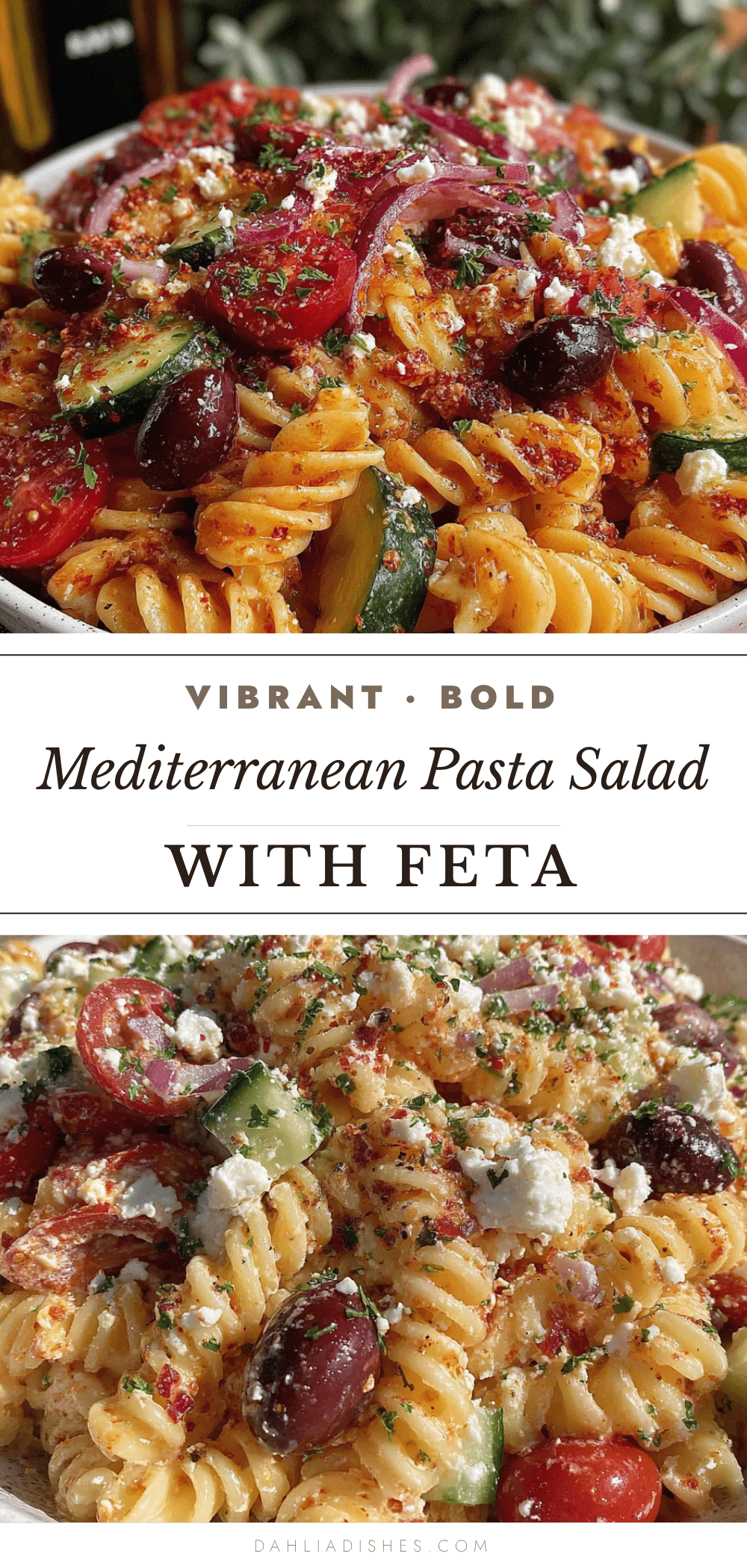
Best Mediterranean Pasta Salad with Feta & Olives
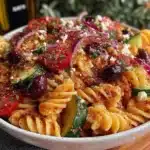
This Mediterranean pasta salad is a quick and easy dish featuring rotini pasta, briny kalamata olives, creamy feta cheese, and a bright herby vinaigrette. Perfect for potlucks, meal prep, or a satisfying weeknight dinner, it’s a crowd-pleaser that gets better after a day in the fridge.
- Prep Time: 15 minutes
- Cook Time: 10 minutes
- Total Time: 25 minutes
- Yield: 6 servings 1x
- Category: Main Course
- Cuisine: Mediterranean
Ingredients
- 12 ounces rotini or fusilli pasta
- 1 cup cherry tomatoes, halved
- 1 cup cucumber, diced
- 1/2 cup kalamata olives, halved
- 1/2 cup crumbled feta cheese
- 1/4 cup red onion, thinly sliced
- 1/4 cup sun-dried tomatoes in oil, drained and chopped
- 1/4 cup fresh parsley, chopped
- 2 tablespoons fresh basil, chiffonade
- 1/4 cup roasted red peppers, chopped
- 1/3 cup extra virgin olive oil
- 2 tablespoons red wine vinegar
- 1 tablespoon lemon juice, freshly squeezed
- 1 teaspoon Dijon mustard
- 1 clove garlic, minced
- 1/2 teaspoon dried oregano
- 1/4 teaspoon salt
- 1/4 teaspoon black pepper
Instructions
- Bring a large pot of salted water to a rolling boil. Add the rotini and cook according to package directions until al dente, about 8-10 minutes. Start checking at 7 minutes.
- While the pasta cooks, prep your vegetables: halve the cherry tomatoes, dice the cucumber into bite-sized pieces, slice the red onion thinly, and chop the parsley and basil. If sensitive to raw onion, soak the sliced red onion in cold water for 10 minutes.
- Make the dressing: In a small jar or bowl, combine the olive oil, red wine vinegar, lemon juice, Dijon mustard, minced garlic, dried oregano, salt, and pepper. Shake or whisk vigorously until emulsified and creamy.
- Drain the pasta and rinse with cool water to stop the cooking process. Shake off excess water and let it sit in the colander for 2-3 minutes until slightly warm.
- Transfer the slightly warm pasta to a large mixing bowl. Add the cherry tomatoes, cucumber, kalamata olives, crumbled feta, red onion, sun-dried tomatoes, roasted red peppers, parsley, and basil. Pour the dressing over the top and gently toss to coat evenly.
- Cover the bowl and let the pasta salad rest at room temperature for at least 15 minutes (30 minutes is even better) to allow flavors to meld.
- Taste and adjust seasoning with additional salt, lemon juice, or black pepper as needed.
- Serve at room temperature or refrigerate for up to 3 days. If making ahead, add a splash of olive oil and a squeeze of lemon before serving to refresh.
Notes
For best flavor, dress the pasta while it’s still warm so it absorbs the vinaigrette. Let the salad rest at room temperature for at least 15 minutes before serving. If making ahead, refresh with a splash of olive oil and lemon juice before serving. To toast pine nuts for garnish, cook in a dry skillet over medium heat for 2-3 minutes until golden.
Nutrition
- Serving Size: 1 serving (about 1.5
- Calories: 400
- Sugar: 6
- Sodium: 500
- Fat: 20
- Saturated Fat: 5
- Carbohydrates: 48
- Fiber: 5
- Protein: 11
Keywords: Mediterranean pasta salad, feta, olives, rotini, summer salad, potluck, meal prep