Love this? Save it for later!
Share the inspiration with your friends
The fall harvest festival was in three days and I’d completely forgotten I signed up for the preserve-making contest. Everyone else would be bringing their grandmother’s secret recipes, stuff that had been passed down for generations. I had about four pounds of figs that were about to go bad and a rosemary bush that was basically taking over my backyard. Honestly, I was panicking. I mean, who shows up to a contest with something they just threw together? Someone who forgot, apparently.
I grabbed the figs, some sugar, and that rogue rosemary, figuring I’d just make a small batch of jam and hope for the best. No pectin, no fancy equipment, just a pot and a prayer. The kitchen smelled incredible, but I had zero expectations. I mean, let me tell you, I was just trying not to embarrass myself. When I finally put the jars on the table, I saw the other entries—meticulous, perfectly sealed, award-winning jams. Mine looked rustic, almost clumsy, with those little rosemary sprigs floating in them.
I won. Not just a ribbon, the whole thing. People kept asking for the recipe, and I had to admit it was a happy accident born from procrastination and a dying herb bush. That’s the thing about this easy homemade fig jam with rosemary—it doesn’t try to be fancy. It just is. The sweetness of the figs gets this unexpected earthy kick from the rosemary, and it’s the kind of jam that makes you want to put it on everything. Maybe you’ve been there, staring at a pile of fruit that’s about to turn, wondering what to do. This is what you do.
Why You’ll Love This Recipe
Look, I’ve made a lot of jam in my time, and this one is different. It’s not just another recipe I found online and tweaked—this is the one I actually make every single fig season. I’ve tested it with different figs, different amounts of sugar, and even different herbs. The rosemary is the winner, hands down. It’s a chef-tested combo that just works, and you don’t need a culinary degree to pull it off.
- Quick & Easy: This comes together in under 45 minutes. No water bath canning required if you’re eating it fresh, which makes it perfect for a last-minute hostess gift or a Sunday afternoon project.
- Simple Ingredients: You only need four main ingredients. No pectin, no weird preservatives, nothing you can’t find at a regular grocery store or in your garden.
- Perfect for Gifting: This jam looks beautiful in a little jar with a ribbon. It’s the kind of gift that makes people think you spent hours, when really it was a quick afternoon thing.
- Crowd-Pleaser: I’ve served this at brunch, on a cheese board, and even as a glaze for pork chops. Everyone asks for the recipe. It’s that good.
- Unbelievably Delicious: The flavor combo is next-level. The figs bring this deep, honey-like sweetness, and the rosemary cuts through it with this savory, almost piney note. It’s comfort food for your toast.
What makes this different from every other fig jam recipe out there? It’s the balance. Most recipes either drown the figs in sugar or use too much rosemary, making it taste like a Christmas tree. I’ve dialed it in so the rosemary whispers, not shouts. It’s your best version of fig jam, not just another version.
This is the kind of jam that makes you close your eyes after the first bite. It’s simple, it’s honest, and it’s got that little something extra that makes it memorable. Perfect for impressing guests without the stress, or just making a Tuesday morning feel a bit more special.
What Ingredients You Will Need
This recipe uses simple, wholesome ingredients to deliver bold flavor without the fuss. Most of these are pantry staples or easy to find at a farmers’ market. The magic happens when these four ingredients come together.
- Fresh Figs (1 pound / 450 grams): Look for ripe, but not mushy, figs. Black Mission or Brown Turkey figs work great. They should be soft to the touch but still hold their shape. If they’re too firm, they won’t break down as nicely. I personally love using Black Mission figs for their intense sweetness. (Wash them gently and trim off the hard stems before using.)
- Granulated Sugar (¾ cup / 150 grams): This is the sweetener and the preservative. Don’t reduce it too much or the jam won’t set properly. You can use organic cane sugar if you prefer. (Adds the sweetness and helps with texture.)
- Fresh Rosemary (1 tablespoon / 3 grams, finely chopped): Use fresh, not dried. Dried rosemary can be too woody and overpowering. Strip the leaves from the stem and chop them finely. I recommend using a sprig from your garden if you have one—it makes a difference. (Adds the earthy, aromatic flavor.)
- Fresh Lemon Juice (1 tablespoon / 15 ml): This adds acidity to balance the sweetness and helps the jam set. Use freshly squeezed, not bottled. (Balances the flavors and helps with preservation.)
- Pinch of Salt: Just a tiny pinch. It doesn’t make it salty, it makes the flavors pop. Don’t skip it. (Enhances all the other flavors.)
Ingredient Selection Tip: If you can’t find fresh figs, frozen ones work in a pinch. Just thaw them first and drain off any excess liquid. For the rosemary, make sure it’s fresh and vibrant green. Avoid any that looks brown or dried out.
Substitution Guidance: You can use honey instead of sugar, but the flavor will be different and the jam might be a bit runnier. If you’re avoiding sugar, try using coconut sugar, but note that it will darken the color. For a low-sugar option, you’ll need to add a bit of pectin to help it set.
Equipment Needed
You don’t need a fancy kitchen to make this jam. I’ve made it in tiny apartments and big farmhouses, and it works the same. Here’s what you’ll need.
- Medium Heavy-Bottomed Saucepan (2-3 quart): A heavy bottom prevents the jam from scorching. I use a stainless steel one, but enameled cast iron works great too.
- Wooden Spoon or Heatproof Spatula: For stirring. Wooden spoons are great because they don’t scratch your pot and they’re heatproof.
- Sharp Knife and Cutting Board: For trimming the figs and chopping the rosemary.
- Measuring Cups and Spoons: For accuracy. Jam making is a bit forgiving, but measurements help.
- Mason Jars (2 half-pint jars / 250 ml each): For storing the jam. Make sure they’re clean and sterilized. You can sterilize them by boiling them in water for 10 minutes or running them through the dishwasher.
- Funnel (optional but helpful): For pouring the hot jam into jars without making a mess.
Personal Note: I’ve used a cheap non-stick pot for this before and it worked, but the jam didn’t caramelize as nicely. A heavy-bottomed pot really does make a difference. If you don’t have a funnel, you can use a ladle and just be careful. It’s not the end of the world if you spill a little.
Preparation Method
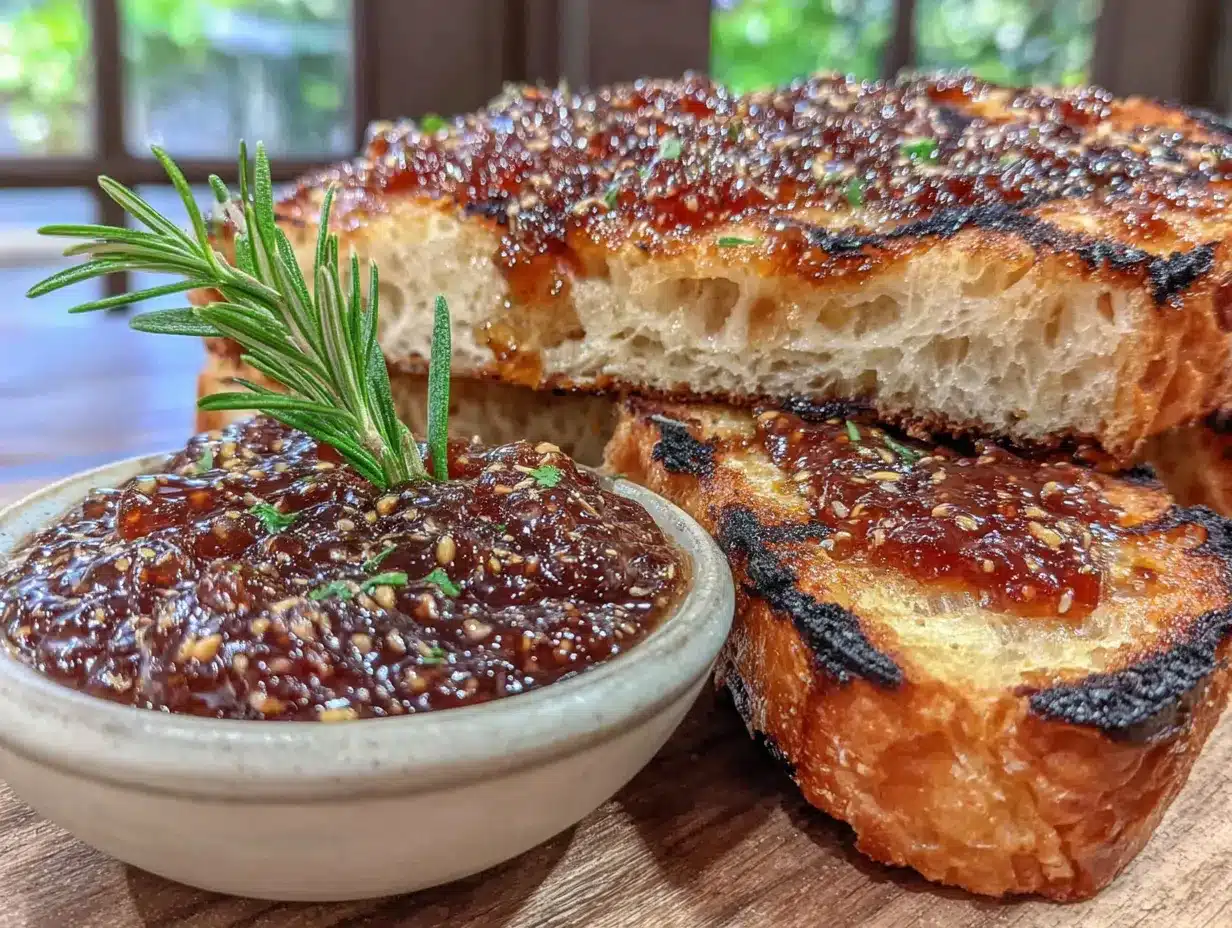
Alright, let’s make some jam. This is straightforward, but I’ll walk you through every step so you don’t mess it up. Trust me, I’ve made all the mistakes so you don’t have to.
- Prepare the Figs (5 minutes): Rinse your figs gently under cool water. Pat them dry with a clean towel. Using a sharp knife, trim off the hard stem at the top. Then, quarter the figs. If they’re very large, you can chop them into smaller pieces. Don’t worry about being perfect—they’ll break down as they cook. You should have about 3 cups of chopped figs.
- Combine Figs and Sugar (2 minutes): Place the chopped figs in your medium saucepan. Add the ¾ cup of granulated sugar and the pinch of salt. Stir everything together with your wooden spoon. Let it sit for about 10 minutes. This helps draw out the juices from the figs. (You’ll see the mixture get all syrupy—that’s a good sign.)
- Start Cooking (10-15 minutes): Place the saucepan over medium heat. Stir occasionally as the mixture comes to a simmer. You want a gentle simmer, not a rolling boil. The figs will start to break down and the color will deepen. Keep stirring every couple of minutes to prevent sticking.
- Add the Rosemary and Lemon Juice (1 minute): Once the figs are soft and the mixture is bubbling, stir in the finely chopped rosemary and the fresh lemon juice. This is where the magic happens. The rosemary will release its oils and the lemon will brighten everything up. Smell that? That’s what we’re going for.
- Simmer to Thicken (15-20 minutes): Reduce the heat to medium-low. Let the jam simmer gently, stirring occasionally. You’ll notice it starting to thicken. The foam will subside and the jam will look glossy. This is the patience part. Don’t walk away for too long—it can go from perfect to burnt in a minute.
- Test for Doneness (1 minute): Here’s the trick. Place a small plate in the freezer before you start cooking. When you think the jam is ready, drop a small spoonful onto the cold plate. Let it sit for 30 seconds. Push it with your finger. If it wrinkles and holds its shape, it’s done. If it’s still runny, cook for another 2-3 minutes and test again. (I’ve failed this test many times. Don’t rush it.)
- Cool Slightly and Jar (5 minutes): Remove the pot from the heat. Let the jam cool for about 5 minutes. This helps it thicken a bit more and makes it easier to handle. Using your funnel or a ladle, carefully pour the hot jam into your sterilized jars. Leave about ¼ inch of headspace at the top. Wipe the rims clean with a damp paper towel and screw on the lids.
- Cool Completely (1-2 hours): Let the jars cool completely on the counter. You’ll hear a little popping sound as they seal. That’s the sound of success. Once cool, store them in the refrigerator. If you want to keep them longer, you can process them in a water bath for 10 minutes, but for this small batch, fridge storage is perfect.
Sensory Cue: At the end, your jam should be thick, glossy, and have a deep purple-red color. The rosemary should be visible as tiny green flecks. It should smell sweet and earthy, like a fall afternoon.
Cooking Tips & Techniques
I’ve learned a few things the hard way so you don’t have to. Here are my best tips for getting this jam right every time.
Don’t Overcook the Rosemary: This was my biggest mistake the first time. I added the rosemary at the beginning and it turned bitter. The flavor was all wrong. Adding it later, with the lemon juice, lets it infuse without becoming harsh. Trust me on this one.
Use a Heavy Pot: I once used a thin-bottomed pot and ended up with burnt jam. The sugar scorches easily. A heavy pot distributes the heat evenly and saves you from that burnt, acrid taste. Your future self will thank you.
Skim the Foam: As the jam simmers, a foamy scum will rise to the top. This is just impurities and air bubbles. You can skim it off with a spoon for a clearer, prettier jam. It’s not necessary for flavor, but it makes it look nicer in the jar.
Timing is Everything: The cooking time can vary depending on your figs and your stove. Ripe, juicy figs take longer to cook down. Firmer figs cook faster. Just watch the jam, not the clock. The cold plate test is your best friend.
Multitasking Strategy: While the figs are sitting with the sugar (that 10-minute resting period), use that time to sterilize your jars and chop your rosemary. It makes the process smoother and less frantic. I learned this after running around like a headless chicken.
Variations & Adaptations
This recipe is a great base, but don’t be afraid to play around. Here are some variations I’ve tried and loved.
- Spiced Fig Jam: Add ½ teaspoon of cinnamon and a pinch of cardamom along with the rosemary. It gives the jam a warm, holiday vibe. Perfect for pairing with sharp cheddar cheese.
- Balsamic Fig Jam: Swap the lemon juice for 1 tablespoon of balsamic vinegar. It adds a tangy, slightly savory depth that’s incredible on a grilled cheese sandwich. I did this by accident once and it was a happy mistake.
- Low-Sugar Version: Reduce the sugar to ½ cup and add 1 tablespoon of chia seeds to help thicken the jam. The texture will be more like a compote, but it’s still delicious and healthier. Great for those watching their sugar intake.
- Herb Swap: If you’re not a rosemary fan, try using fresh thyme instead. Use 1 teaspoon of finely chopped thyme leaves. It’s a different flavor profile, but equally delicious. I’ve made this for a friend who hates rosemary and she loved it.
Personal Variation: My favorite way to make this is with a tiny splash of vanilla extract added at the very end. It rounds out the flavors and makes it feel even more special. Just a teaspoon is enough.
Serving & Storage Suggestions
This jam is incredibly versatile. Here’s how I like to use it and how to keep it fresh.
Serving: Serve it at room temperature for the best flavor and texture. It’s perfect spread on warm toast, buttery croissants, or fresh scones. It also makes an amazing addition to a cheese board—try it with brie, goat cheese, or aged cheddar. For a savory twist, use it as a glaze for roasted pork or chicken. Just brush it on during the last 10 minutes of cooking.
Storage: Store the sealed jars in the refrigerator for up to 3 weeks. Once opened, use it within 2 weeks for the best quality. You can also freeze the jam in a freezer-safe container for up to 6 months. Just thaw it in the refrigerator overnight before using.
Reheating: If the jam thickens too much in the fridge, just let it sit at room temperature for 15 minutes. You can also microwave it for 10-15 seconds to loosen it up. Don’t overheat it or it will lose its texture.
Flavor Development: Honestly, this jam tastes even better after a day or two. The flavors meld together and the rosemary becomes more subtle. So if you can, make it a day ahead. You won’t regret it.
Nutritional Information & Benefits
While this is a treat, it does have some redeeming qualities. Here’s a look at what’s in it.
Estimated Nutritional Values (per 1 tablespoon serving):
- Calories: 45
- Total Fat: 0g
- Sodium: 1mg
- Total Carbohydrates: 12g
- Sugars: 11g
- Fiber: 1g
- Protein: 0g
Health Benefits: Figs are a good source of dietary fiber and are packed with antioxidants. They also contain potassium, calcium, and magnesium. Rosemary is known for its anti-inflammatory properties and can help improve digestion. So while this jam is sweet, it’s not empty calories. It’s a little bit of goodness in a jar.
Dietary Considerations: This recipe is naturally gluten-free, dairy-free, and vegan. It’s also nut-free and egg-free, making it safe for most common allergies. Just be aware that it is high in sugar, so enjoy it in moderation.
Personal Note: I like to think of this jam as a way to enjoy fruit in a different form. It’s a small indulgence that feels wholesome. A little bit goes a long way in terms of flavor and satisfaction.
Conclusion
This easy homemade fig jam with rosemary is more than just a recipe—it’s a little story in a jar. It started as a panic-induced experiment and turned into something I genuinely love. It’s simple, it’s forgiving, and it tastes like you put in way more effort than you actually did. That’s my favorite kind of recipe.
I really hope you give this a try. Don’t worry if your first batch isn’t perfect—mine wasn’t either. The beauty of small-batch cooking is that you can experiment and make it your own. Maybe you’ll add a little more rosemary, or a splash of vanilla, or try it with balsamic. The possibilities are endless.
If you make this jam, I’d love to hear about it. Leave a comment below and tell me how it turned out. Did you serve it on toast? Use it as a glaze? Give it as a gift? I read every comment and I love hearing your stories. Happy cooking, friends. Go make something delicious.
Frequently Asked Questions
Can I use dried figs instead of fresh?
Yes, you can. Rehydrate them by soaking in warm water for 30 minutes, then drain and chop. The flavor will be more concentrated, so you might want to reduce the sugar slightly. The texture will be a bit different, but it still works.
Do I have to use a water bath for canning?
No, not for this small batch. If you’re storing it in the fridge and eating it within 3 weeks, you don’t need to process it. If you want to keep it on the shelf for months, then yes, process the jars in a boiling water bath for 10 minutes.
Can I reduce the sugar?
You can, but the jam will be runnier and won’t keep as long. Sugar acts as a preservative and helps with the set. If you reduce it, plan to eat the jam within a week or freeze it. You can also add chia seeds to help thicken it.
Why did my jam turn out too runny?
This usually happens if the figs were very juicy or if you didn’t cook it long enough. Make sure to use the cold plate test to check for doneness. You can also cook it a bit longer to evaporate more liquid. It will also thicken as it cools.
Can I use dried rosemary?
I wouldn’t recommend it. Dried rosemary is very woody and can be bitter. Fresh rosemary gives a much better flavor and texture. If you only have dried, use half the amount and grind it into a powder before adding.
Pin This Recipe!

Easy Homemade Fig Jam with Rosemary (Small Batch)

This easy homemade fig jam with rosemary is a quick, small-batch recipe that combines the sweetness of fresh figs with an earthy kick of rosemary. Perfect for gifting, spreading on toast, or glazing meats, it comes together in under 45 minutes with just four main ingredients.
- Prep Time: 15 minutes
- Cook Time: 30 minutes
- Total Time: 45 minutes
- Yield: 2 half-pint jars (about 1 cup total) 1x
- Category: Condiment
- Cuisine: American
Ingredients
- 1 pound (450 grams) fresh figs (Black Mission or Brown Turkey), stems trimmed and quartered
- ¾ cup (150 grams) granulated sugar
- 1 tablespoon (3 grams) fresh rosemary, finely chopped
- 1 tablespoon (15 ml) fresh lemon juice
- Pinch of salt
Instructions
- Prepare the Figs (5 minutes): Rinse figs gently under cool water, pat dry, trim off hard stems, and quarter. You should have about 3 cups of chopped figs.
- Combine Figs and Sugar (2 minutes): Place chopped figs in a medium heavy-bottomed saucepan. Add sugar and salt. Stir to combine. Let sit for 10 minutes to draw out juices.
- Start Cooking (10-15 minutes): Place saucepan over medium heat. Stir occasionally as mixture comes to a gentle simmer. Figs will break down and color will deepen.
- Add Rosemary and Lemon Juice (1 minute): Once figs are soft and mixture is bubbling, stir in chopped rosemary and lemon juice.
- Simmer to Thicken (15-20 minutes): Reduce heat to medium-low. Let jam simmer gently, stirring occasionally, until it thickens and looks glossy.
- Test for Doneness (1 minute): Place a small plate in the freezer before cooking. Drop a spoonful of jam onto cold plate. Let sit 30 seconds. If it wrinkles and holds its shape when pushed, it’s done. If runny, cook 2-3 more minutes and test again.
- Cool Slightly and Jar (5 minutes): Remove pot from heat. Let cool 5 minutes. Using a funnel or ladle, pour hot jam into sterilized jars, leaving ¼ inch headspace. Wipe rims clean and screw on lids.
- Cool Completely (1-2 hours): Let jars cool completely on counter. You’ll hear popping sounds as they seal. Store in refrigerator.
Notes
Add rosemary later to avoid bitterness. Use a heavy pot to prevent scorching. Skim foam for clearer jam. Cooking time varies with fig ripeness; use the cold plate test. Jam tastes even better after a day or two.
Nutrition
- Serving Size: 1 tablespoon
- Calories: 45
- Sugar: 11
- Sodium: 1
- Carbohydrates: 12
- Fiber: 1
Keywords: fig jam, rosemary jam, small batch jam, easy jam recipe, homemade jam, fig preserve, no pectin jam